To address their public health consequences, we need to understand their pharmacological properties and their social and psychological functions, the different routes of administration, their cultural significance in everyday life, the reasons for their consumption and the harmful mechanisms associated with their abuse.
The objective is to train health professionals in the application of the ASSIST-DIT package for the detection of psychoactive substance use, and to offer a brief intervention to reduce use and associated risks, or refer those who require it to more intensive treatment.
Training course on the AUDIT-DIT Package for the management of alcohol-related problems in primary health care, in an integrated manner with other services at secondary and tertiary levels.
This course assumes that you are knowledgeable about alcohol policy, and especially familiar with the results of basic scientific research on where alcohol policies are most effective. If not, we recommend that you first take another PAHO e-course entitled: "Virtual Course on Alcohol Policy and Public Health", which is available at
This course provides detailed information on the data sources needed to calculate this indicator annually, how to calculate it based on the tool developed by the PAHO/WHO Collaborating Center in Toronto (Center for Addiction and Mental Health), which is used by WHO for its global reports on alcohol and health.
Training for Primary Care Providers: Brief Tobacco Interventions
This training course is designed in response to the unmet need to train millions of primary care providers, other health professionals, and medical students (approximately 50% of primary care providers worldwide), especially those in low- and middle-income countries, to deliver brief tobacco interventions.
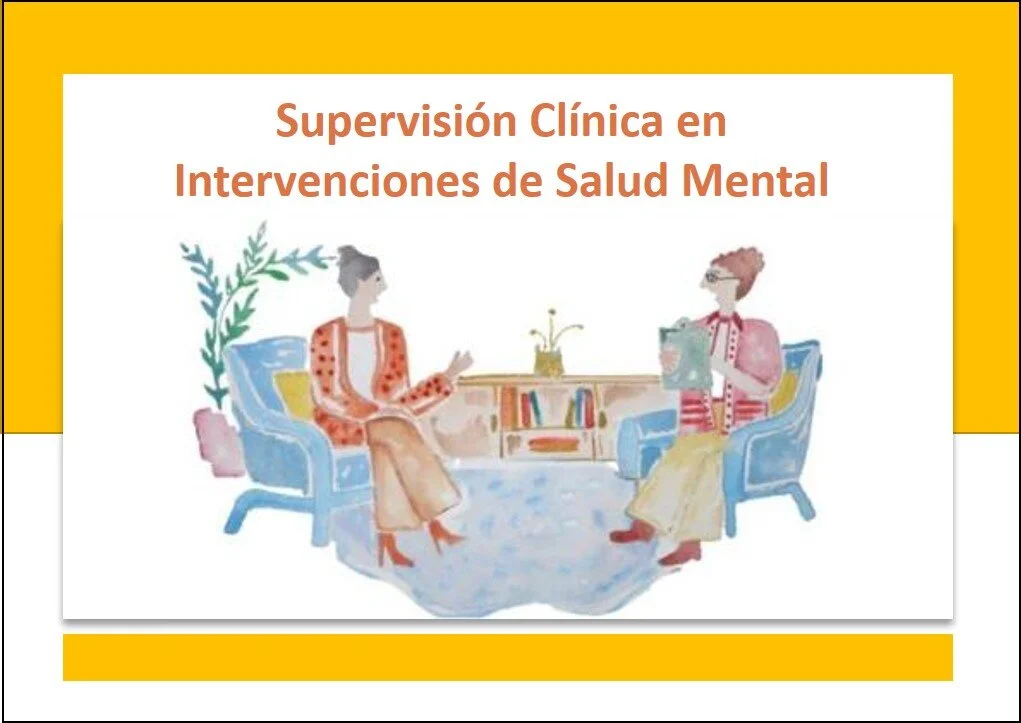
To provide mental health specialists with sufficient and evidence-based tools to supervise professionals performing clinical mental health interventions.
The main purpose of the course is to help health professionals to identify the stigma associated with mental and/or substance use disorders and to implement effective personal and institutional actions to achieve greater inclusion and support for people with mental disorders, making health contexts stigma-free spaces.
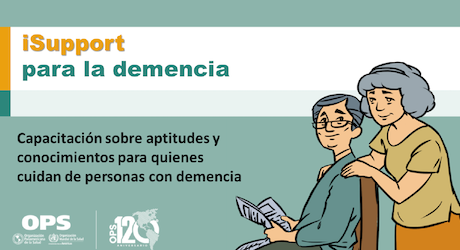
iSupport is a self-help tool; it is a skills and knowledge training course aimed at those caring for people with dementia, including their family and friends.
The training has been developed for a wide variety of groups, including people involved in making decisions about the delivery of mental health services, those who provide mental health care and psychosocial support, and people who have received or are receiving mental health support.
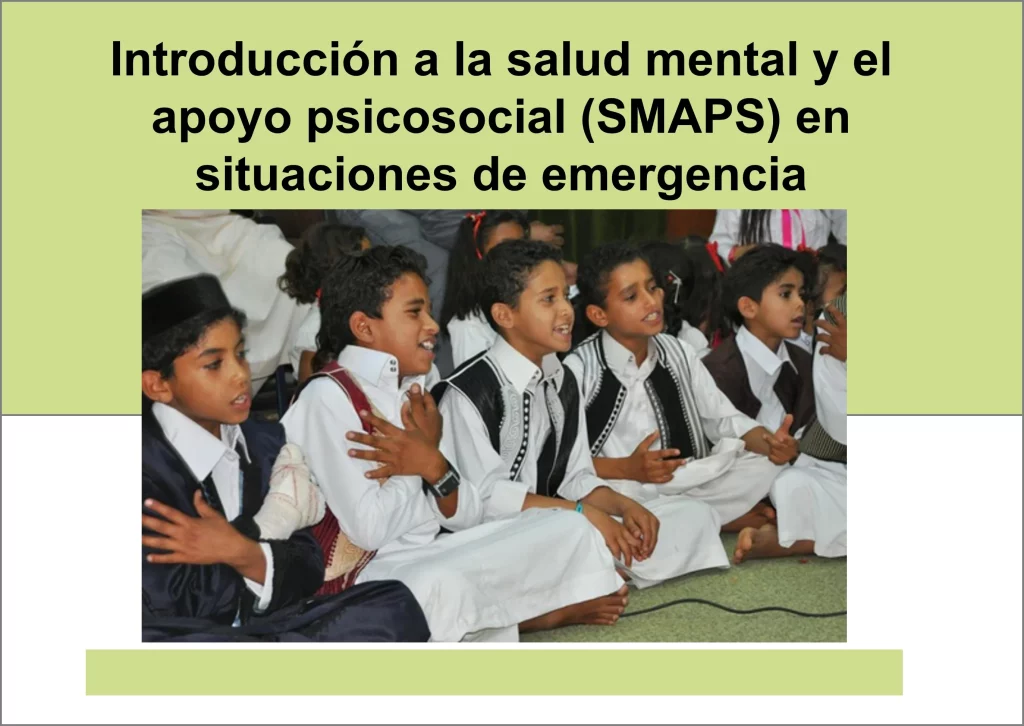
This course aims to introduce the principles and tools to promote a quality and rights-based approach to MHPss response in humanitarian emergencies and disasters.
Provide a framework for caregivers, volunteers and first responders to provide psychological and social support to people in crisis.
Preventing self-harm and suicide: empowering primary health care professionals.
The program "Self-harm and Suicide Prevention: Empowering Primary Health Care Professionals" is designed to train health care professionals in the most relevant elements of suicide awareness, management and prevention.
To train health personnel at different levels of care, especially at the primary level, with tools to efficiently diagnose and treat priority mental, neurological and substance use disorders in humanitarian crisis contexts where local resources often do not have the capacity to provide care in a timely manner.
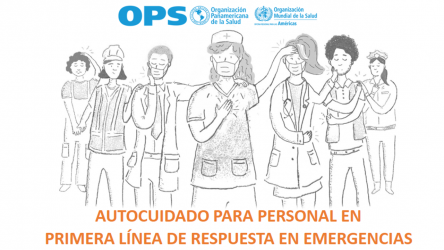
The general objective of the course is to provide knowledge and strategies for the identification and management of stress associated with the work environment and to provide resources and practices for self-care of personnel in the first line of emergency response.
This online orientation course aims to strengthen the competencies of health sector actors working in emergency situations to establish mental health and psychosocial support activities in countries, support them and scale them up.